01
Yacht delivery by sea
Skippered passage between any two European ports, planned against weather window, fuel range and contracted date.
Explore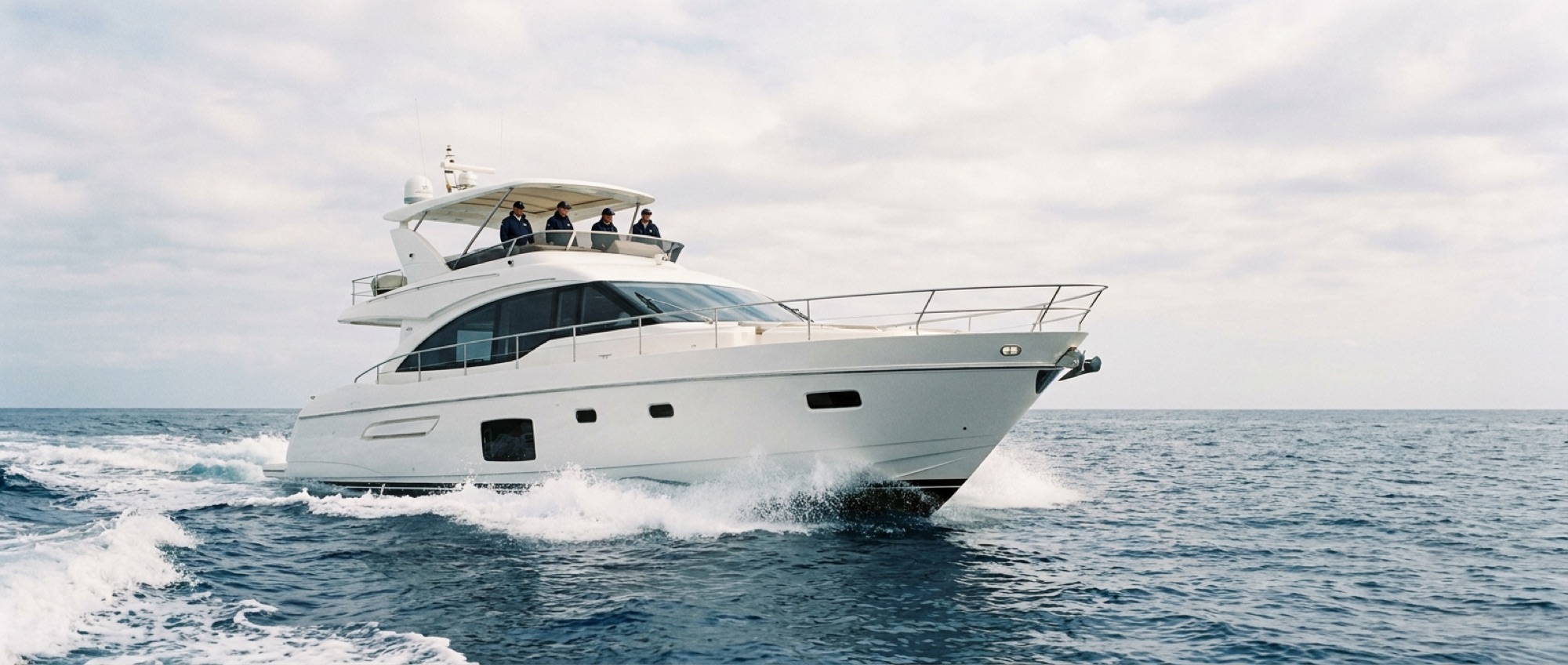
No passage without a plan
Skippered delivery, crew placement, owner tuition and pre-departure inspection — across every European cruising ground, on vessels up to 80ft.
YT·EU·DEL
Capability YT-01
Yacht Transits moves motor and sailing vessels from 30 to 80 feet between any two European ports, in every season the window allows.
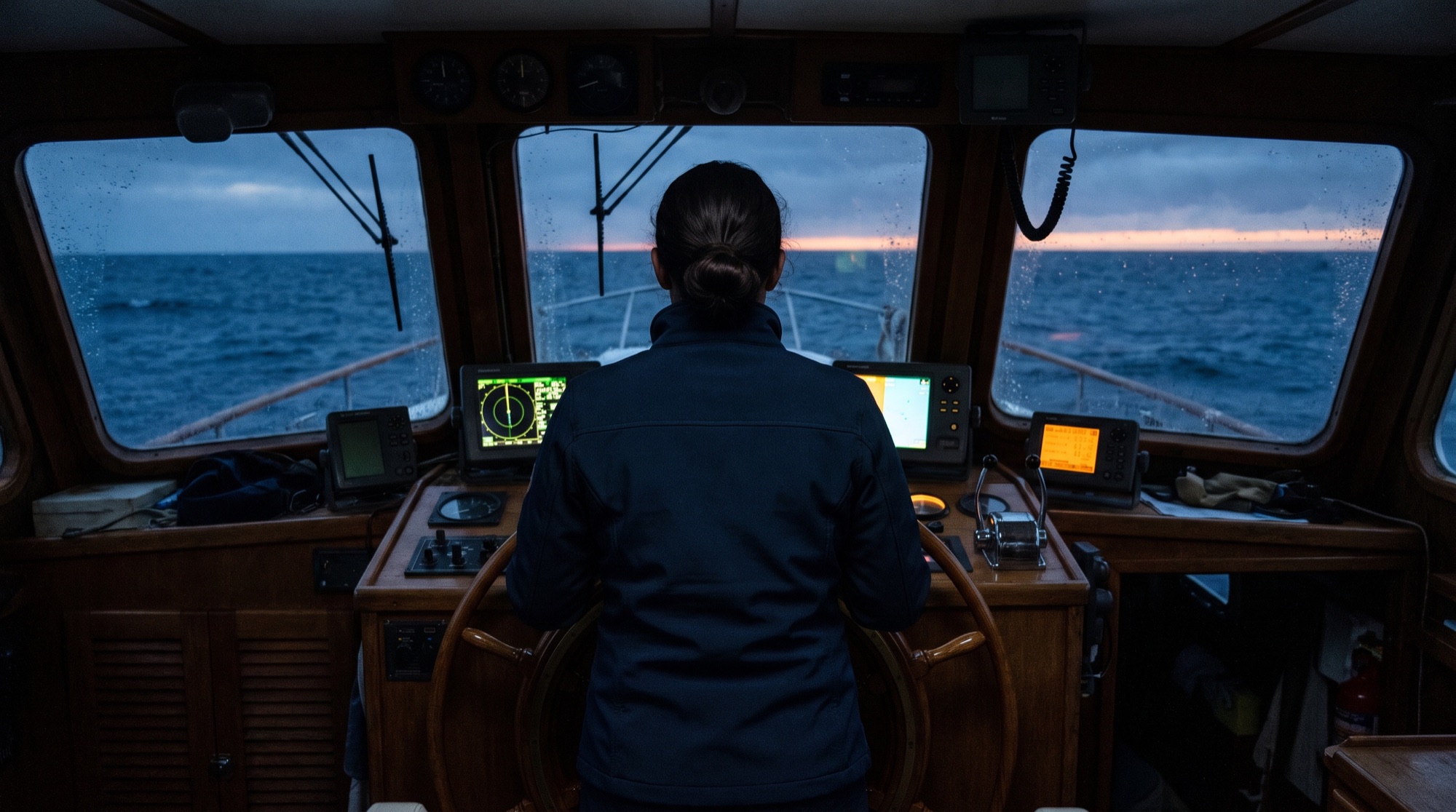
A delivery is not a single task. It is weather routing, fuel and range planning, insurance compliance, berth allocation, watchkeeping rotation and continuous position reporting.
Yacht Transits contracts all of it as a single operation. The vessel is surveyed before departure, crewed to her tonnage and cruising area, and reported continuously from lines off to handover.
Services YT-02
Delivery is the core operation. The functions around it — crew, tuition and survey — are contracted from the same operator.
01
Skippered passage between any two European ports, planned against weather window, fuel range and contracted date.
Explore02
Commercially endorsed skippers and watchkeepers placed individually or as a full offshore watch rotation.
Explore03
Own-boat instruction during passage, or full systems familiarisation and handover on arrival.
Explore04
Documented condition and systems survey before departure and on arrival, with photographic record.
ExploreCoverage YT-03
Base of operations is Beaulieu-sur-Mer. Operating area is the continent. Vessels are built in the north, sold in the south, wintered inland and chartered in the islands — a single-coastline operator cannot serve that.
Operating area · 56 ports
Standards YT-04
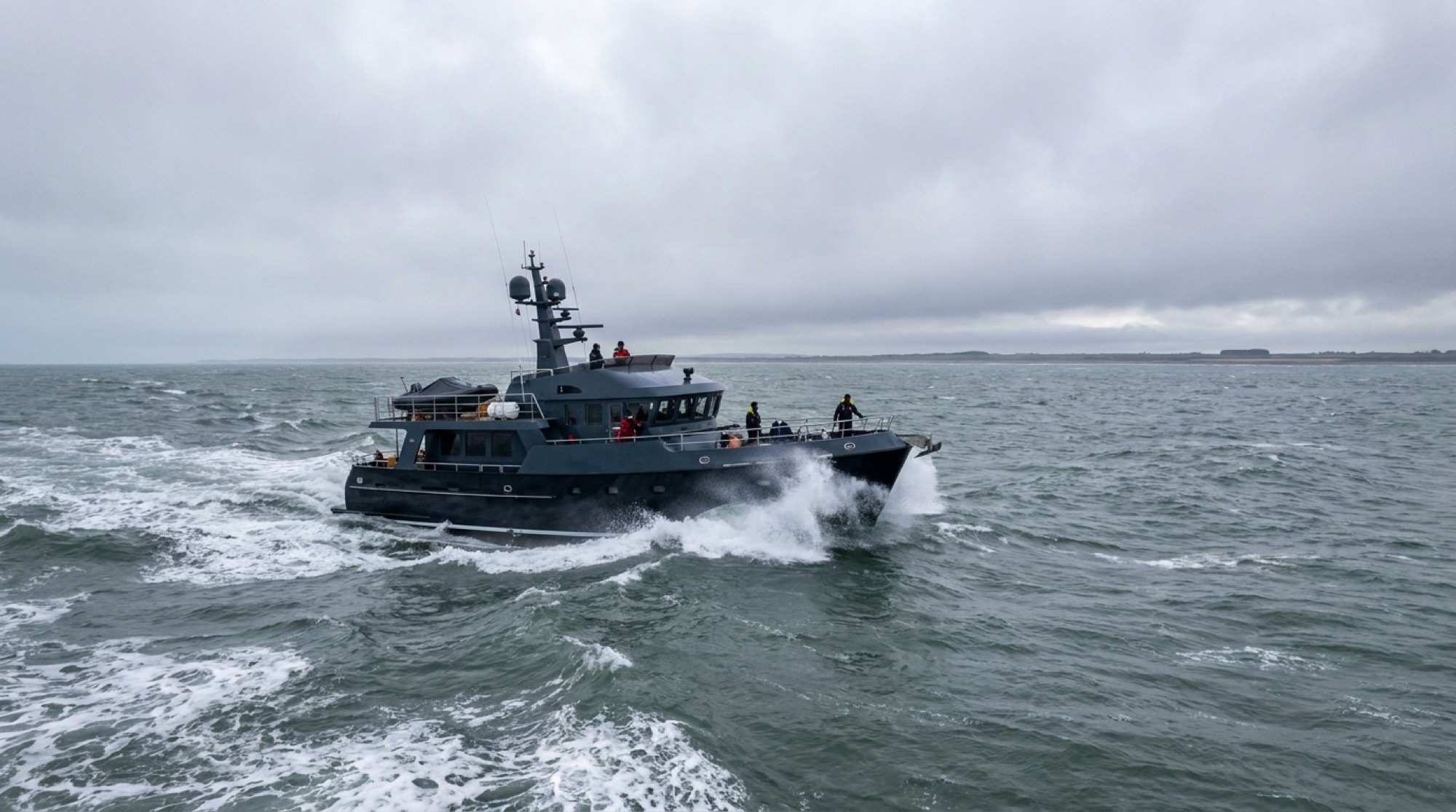
The value of an operator shows in decisions that are never seen: the turn-back, the front sat out, the weeping seal identified before it becomes a tow, the documentation produced the moment a port authority asks for it.
“One operator, from lines off to handover.”
Yacht Transits LimitedPassages YT-05
Distances are approximate straight-line figures. Actual routing varies with weather, shipping traffic and fuel stops.

Antibes → Palma
The workhorse spring and autumn passage — a direct overnight leg across the Gulf of Lion, or coastal hops via Port-Vendres when the window suits that better.

Gibraltar → Palma
The Atlantic arrival run: out of the Strait, along the Spanish coast with Almerimar and Cartagena to duck into if the wind gets up, then the hop across to the Balearics.
Hamburg → Golfe-Juan
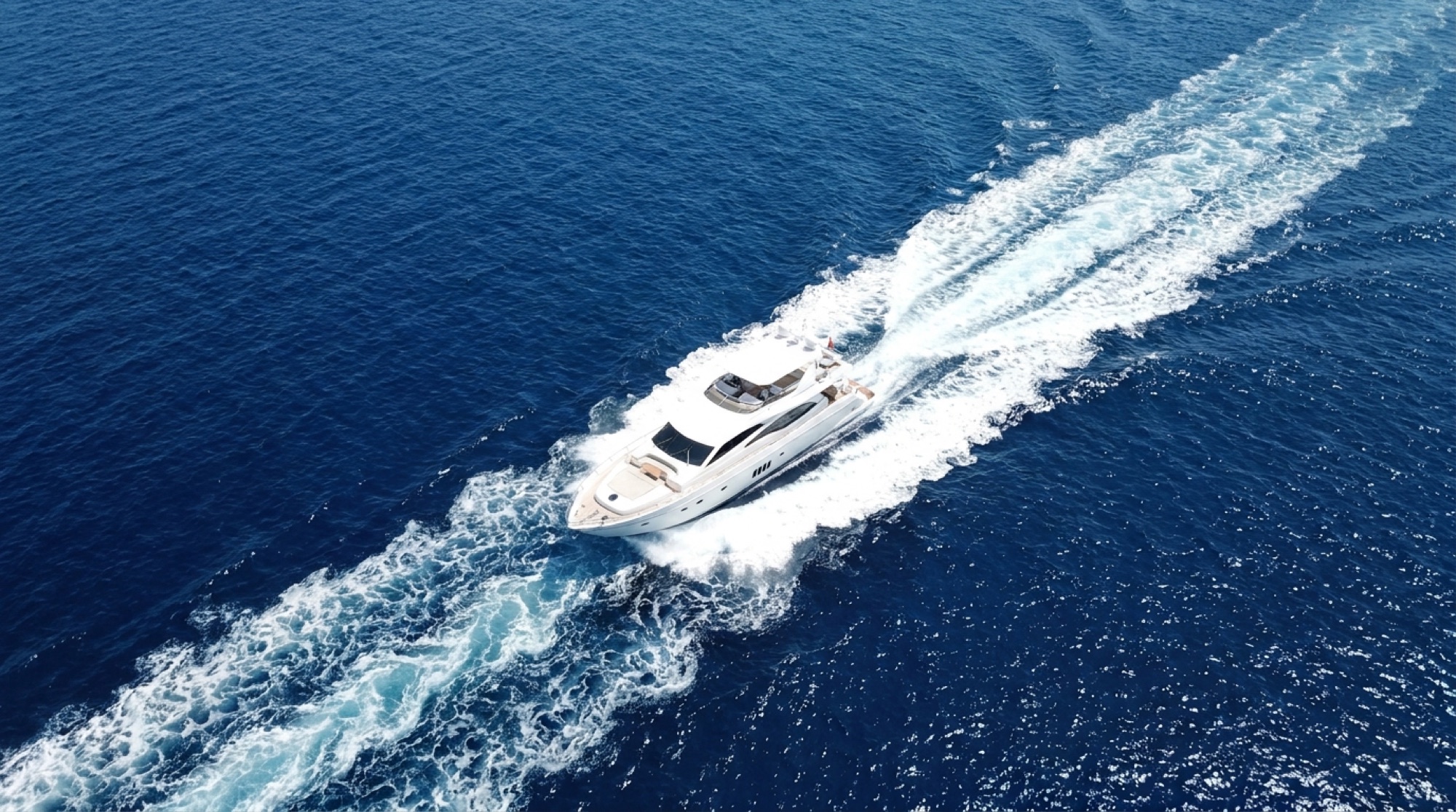
New-build collection from a northern yard down through the Channel and round Biscay to her Mediterranean berth, with handover on arrival.
From the water YT-06
Enquiry YT-07
Written quote returned within one working day, covering crew, fuel estimate, berthing and the operating conditions applied.